
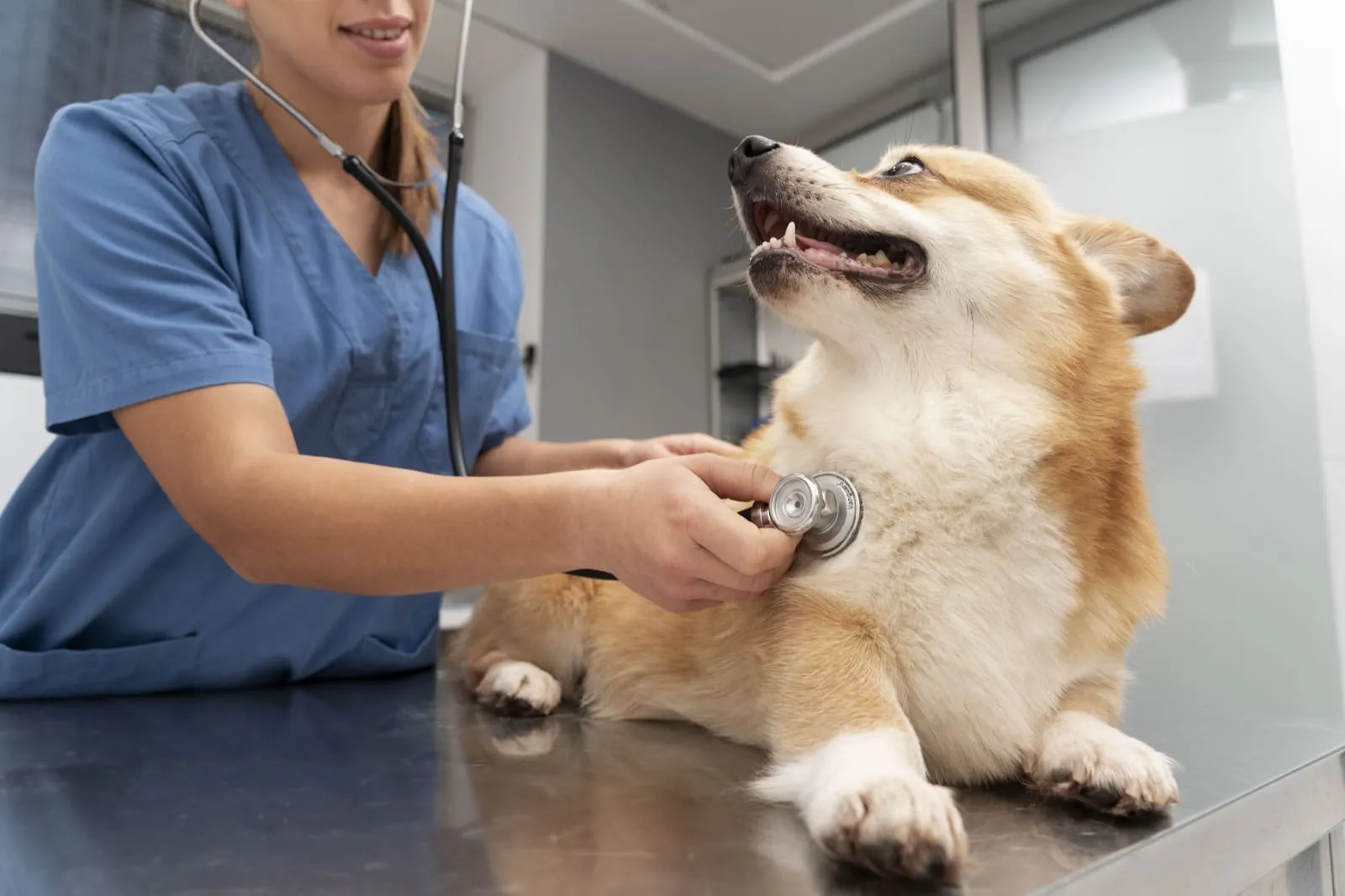

What is canine leishmaniasis?
Canine leishmaniasis is caused by a microscopic parasite, Leishmania infantum, spread by the bite of a very small mosquito-like insect called the sandfly. It does not pass directly from dog to dog: the vector is always needed.
It is a chronic disease. Each dog’s immune system reacts differently, so an infected animal may take months or years to show signs, or may never show them at all. That is why early detection through a blood test matters so much.
Why it matters especially in Benidorm
The sandfly needs warmth and humidity, conditions found all along the Mediterranean coast. In south-east Spain up to 46.6% of dogs test positive (ESCCAP), one of the highest rates in the country.
The highest-risk period runs from May to October, when the sandfly is active, mostly at dusk and through the night. Living in Benidorm, Altea or l’Alfàs del Pi means living alongside the vector, even if your dog stays in a flat and only goes out onto the street.
The 7 warning signs
These signs don’t always appear together or in this order. If you recognise one or more, a check-up with a blood test is worthwhile.
Skin lesions
Often start as hair loss around the eyes, ears or nose, without itching. The skin looks dry, flaky and sometimes crusty.
Abnormal nail growth
The claws grow long and curved (onychogryphosis). It is a very characteristic sign that many owners overlook.
Weight loss and listlessness
The dog loses weight even while eating normally and seems more tired than usual.
Limping or joint pain
Leishmaniasis can inflame the joints and cause limping that comes and goes with no clear injury behind it.
Nosebleeds (epistaxis)
Bleeding from the nose, sometimes from just one nostril. This sign needs prompt assessment.
Eye problems
Conjunctivitis, uveitis or inflammation around the eye. Eye involvement is common and can threaten sight.
Increased thirst and urination
When the disease affects the kidneys, the dog drinks and urinates more. This is the most serious sign and the one that shapes the prognosis.
Come in as soon as you can if your dog shows any of these signs. The diagnostic test is simple:
- Rapid in-clinic test, with a result in 15 minutes.
- Full blood panel with antibody titration if the rapid test is positive.
The sooner it is diagnosed, the better the chances of keeping the disease controlled with a normal quality of life.
Book an appointment · 865 78 00 50Prevention: what actually works
Prevention combines several layers and is decided in the consultation, case by case:
Repellents (collars and spot-ons) with active ingredients against the sandfly, kept up throughout the risk season. These are the first line of defence. A vaccine after a blood test confirms the dog is negative. And a yearly check with a serological test, ideally in March or April, before the sandfly peaks.
Cutting down exposure at dusk and using window screens at home helps, but does not replace specific repellents.
Frequently asked questions.
Can canine leishmaniasis be passed to humans?
Not directly from the dog to a person. Leishmaniasis is a zoonosis, but it always needs the sandfly bite to spread. An infected dog does not give it to the family through contact. People with a severely weakened immune system are advised to be extra careful with sandfly protection, just as with the dog.
When is the leishmaniasis vaccine given?
Only after a blood test confirms the dog is negative. The vaccine is given from six months of age and needs an initial course followed by a yearly booster. It does not replace repellents: the two work together.
My dog lives in a flat, is it still at risk?
Yes. The sandfly is tiny and gets in through windows and vents. Any dog that goes out at dusk in an endemic area like Benidorm is exposed. Living high up lowers the risk a little, but does not remove it.
Sources.
- ESCCAP — Control of vector-borne diseases in dogs and cats.
- Merck Veterinary Manual — Leishmaniasis in Dogs.
- ICOVAL — Official College of Veterinarians of Alicante.
- LeishVet — Clinical guidelines on canine leishmaniasis.
Could your dog have leishmaniasis?
We run a rapid in-clinic test with results in 15 minutes, and a full blood panel if needed.